
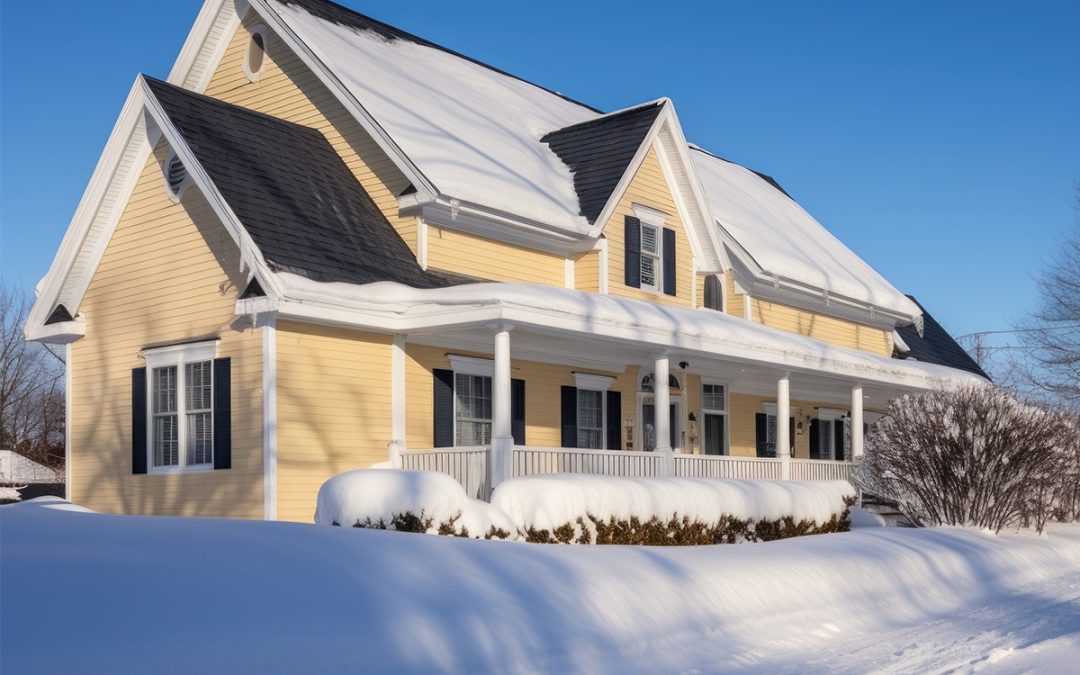
For anyone relocating to Ohio, winter brings conditions that can catch newcomers off guard. Snow, ice, and strong winds are part of the season. According to the U.S. Department of Transportation, the state sees about 110 freeze–thaw cycles each year. These constant temperature swings put stress on roofing materials. Water remains the biggest threat to a home’s structure, and problems like missing shingles, loose flashing, and clogged gutters give moisture a chance to get in. That can lead to warping, mold, and long-term structural damage, so take the necessary steps to prepare your roof for Ohio winters.
The good news is that winter preparation is manageable. A few simple tasks done before January can greatly reduce the risk of moisture problems. Many homeowners start these steps in December after the leaves have dropped.
Clean Gutters and Downspouts
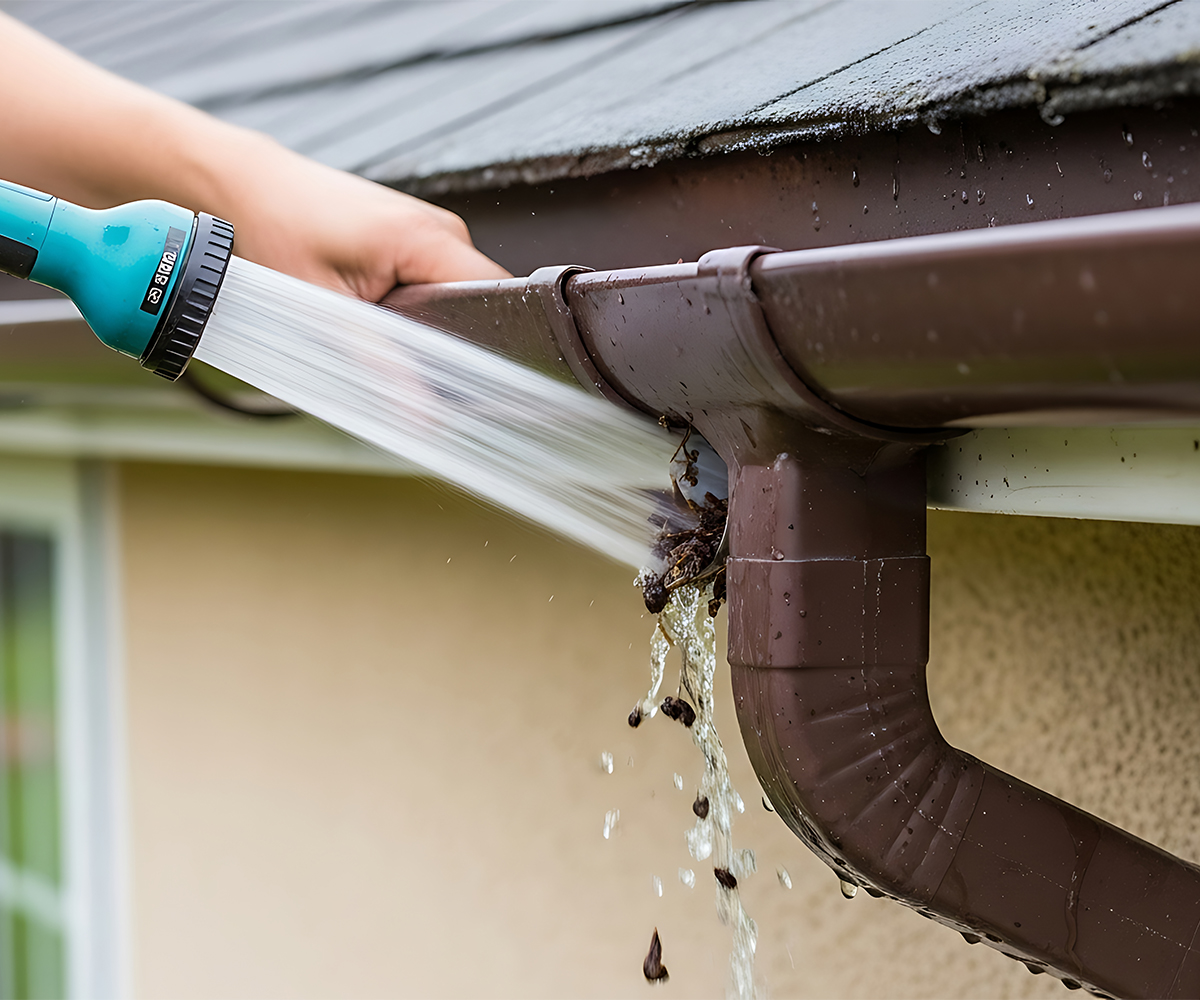
Ohio’s fall season is beautiful, but it sends leaves everywhere. Even good gutter guards can’t stop all the debris. Ohio communities planted more than 30,000 trees as part of Tree City USA in 2023, which helps the environment but also means more leaves and twigs headed toward your gutters.
When gutters clog, water can pool and spill into the roof, walls, or foundation. If that water freezes, it expands and can damage the gutters and downspouts. Keeping them clear is one of the most important steps for winter roof care.
Homeowners can clean gutters by hand, with a hose, or with a blower.
- Clean by hand: Set up a sturdy A-frame ladder on a dry, calm day. Use your hands or a gutter scoop to remove debris, working toward the downspout.
- Use a blower or hose: Block the downspout before you begin so large pieces don’t get pushed into the pipe. Start at the far end and move toward the drain. After clearing the larger debris, use a hose to flush the system. Remove the block and have a helper watch the flow. Increase the water pressure if needed until the runoff looks clear.
- Avoid power washers: Even low settings can damage gutters, siding, and shingles.
- Direct water away from the house: Make sure downspouts push water several feet away from the foundation. You can hide horizontal extensions under mulch, soil, or pea gravel to keep them protected and out of sight.
Trim Overhanging Branches
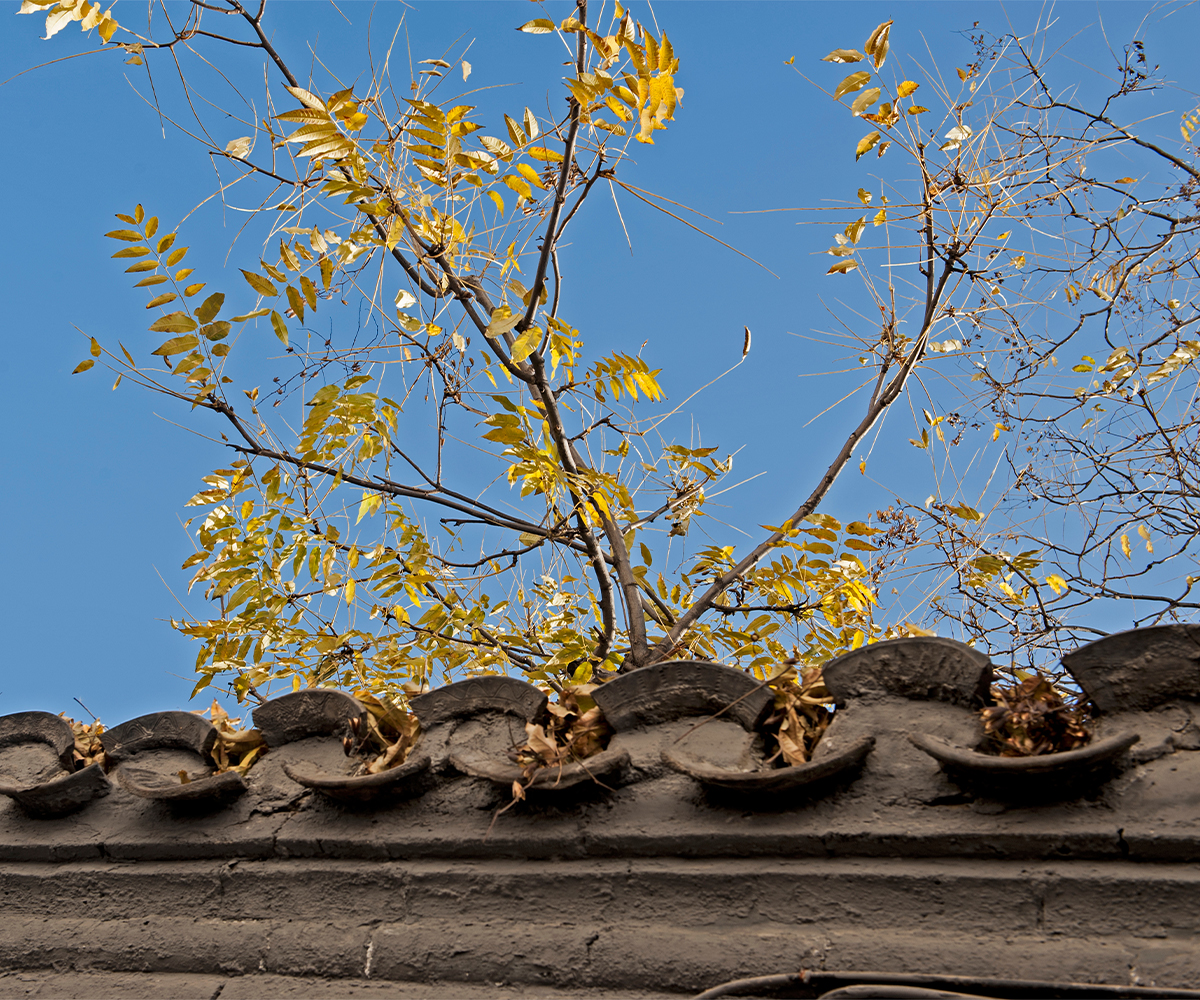
In warmer regions, overhanging branches are often just a nuisance. In Ohio, they can become a real risk once snow and ice collect on them. Even small branches can grow heavy and fall onto the roof, siding, or windows. Branches that touch the roof can also scrape away the protective granules on asphalt shingles, which shortens their lifespan and exposes the material to more heat in summer.
The biggest worry is breakage. Snow-covered branches—especially from maple, oak, and elm—can snap under the weight of heavy snow.
Walk around the yard in the fall and check for branches within ten feet of the home. Some homeowners hire a tree-trimming service every few years, while others handle light trimming on their own.
Inspect Before the First Snow
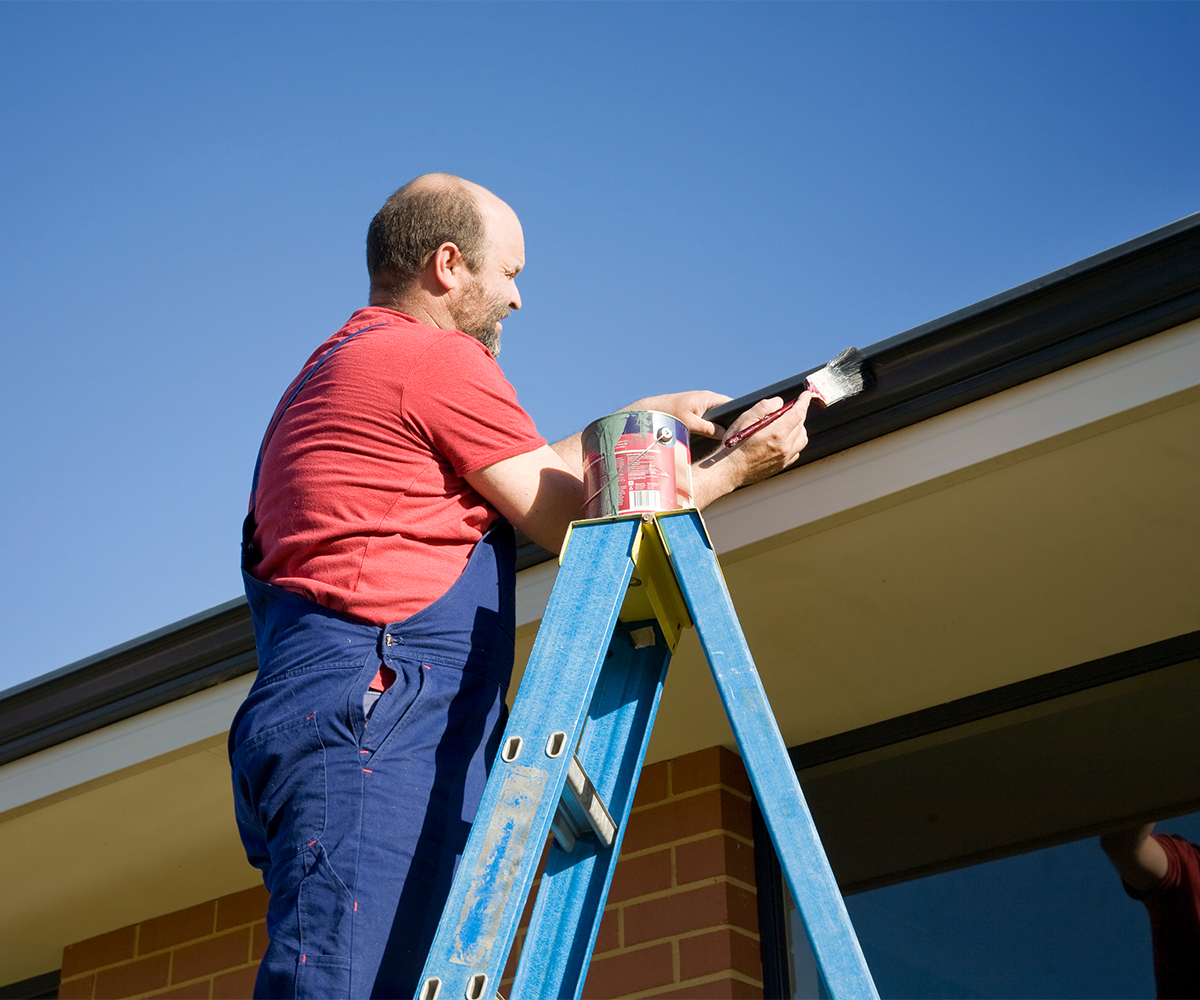
A good roof often goes unnoticed, but a simple inspection can prevent major problems. Most of Ohio doesn’t see heavy snow until January, which makes December a good time for a check.
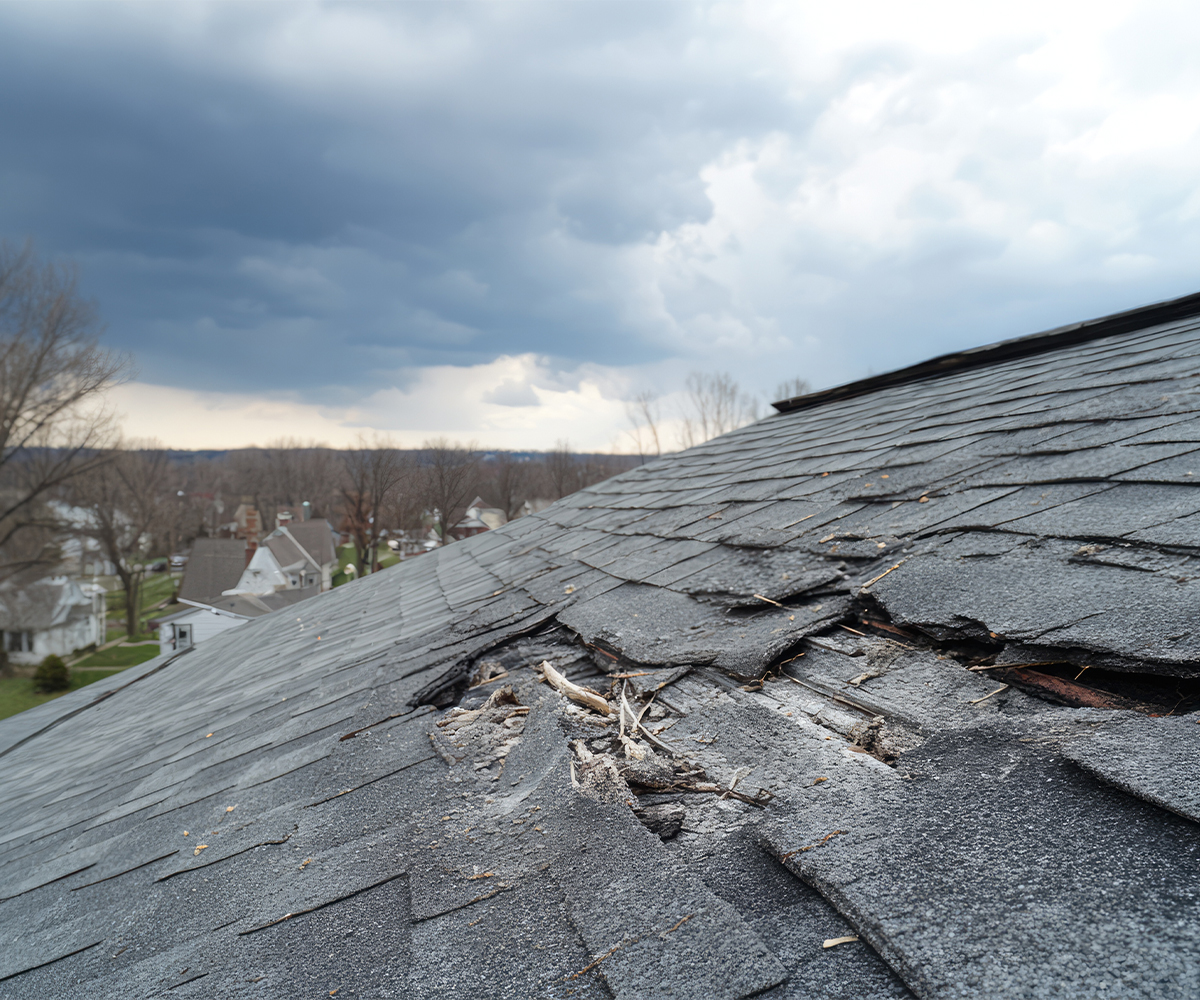
Pick a dry, calm day. Walk the property and look for loose, curling, cracked, or missing shingles. Look for areas where granules have worn away; smooth shingles offer less protection from moisture. Minor issues can often be fixed with roofing cement and nails.
- Check the flashing: Look closely at areas around chimneys, vents, skylights, and roof valleys. Flashing keeps moisture out of gaps. Small cracks can be patched with roofing cement, but large areas may need full replacement.
- Check attic ventilation: Good airflow keeps the attic close to outdoor temperature. When warm indoor air collects in the attic, it heats the roof from below. Snow on the roof melts, then refreezes overnight and creates ice dams. Make sure both intake and exhaust vents are open and free of blockages.
On a warm day, you can test attic heat by touching the ceiling. If it feels warm, your attic may be trapping heat instead of venting it. Ice dam prevention is important in Ohio, and some homeowners install heat cables on known trouble spots.
Clear Snow Safely
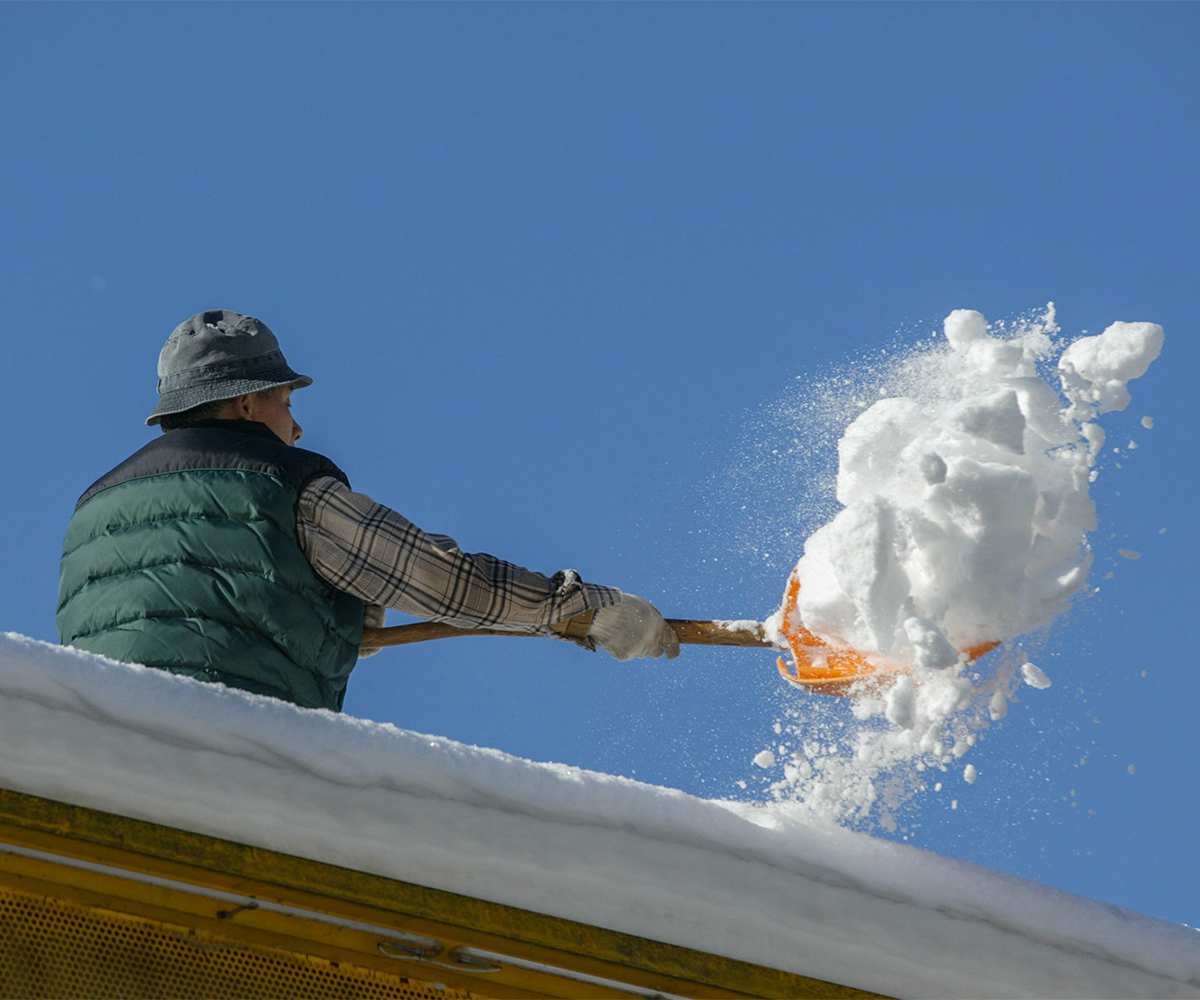
Most homeowners are relieved to learn they don’t need to remove snow from sloped roofs on a regular basis. Snow becomes a concern only when more than six inches of heavy, wet snow builds up. Northern Ohio, especially near Lake Erie, can see fast accumulations during lake-effect events, so residents there should stay alert.
Light, powdery snow is less of a problem. Flat or low-slope roofs on porches and additions are more vulnerable and should be cleared at the first sign of sagging or leaks.
When removing snow, always leave about an inch behind. Trying to scrape the roof clean can remove shingle granules and cause damage. Avoid climbing onto the roof or using a ladder during icy weather. A long-handled roof rake is a safer option after major storms.
Check Interior Ceilings

Watching the inside of the home is just as important as inspecting the outside. Look for water stains or damp spots on ceilings. These are early warnings of leaks tied to melting snow or ice dams. If you see moisture while snow is still present on the roof, check the problem right away.
Go into the attic with a flashlight and look for wet insulation or signs of dripping. If you find an active leak, contact a professional to prevent further damage. Even a small drip can signal bigger issues.
Also pay attention to changes indoors. Sagging doors, buckling walls, or warped frames can indicate moisture or pressure problems that shouldn’t be ignored.
Schedule a Professional Inspection

Some homeowners feel more confident going into winter after a professional inspection. A qualified roofing specialist can check the roof, gutters, insulation, and ventilation. They can also identify moisture risks and suggest winter-ready materials, especially for homes with unique designs or older construction.
Think Your Roof May Need Fixed for Winter? Call Yoder Family Roofing
Please reach out to us by phone or email, and we will set up a time to meet you at your home. Most appointments are 1 or 2 hours in length, depending on the type of project. Measurements will be taken, as well as a visual inspection of your roof. We will discuss with you the different types and grades of roofing that are available, and will be happy to help you select the product that best suits your needs and expectations, as well as your budget.
Our salespeople have years of experience in installing roofs, and will be able to answer any questions you may have concerning roofing products or installation techniques. For simple roofing projects, the replacement estimate will be written and presented immediately. For more complex projects, we will prepare the estimate within several days and send it to you via mail, email, or a second meeting at your home. There is no charge for an estimate.
We hope you stay safe no matter the season, and that you’ll always have a solid roof over your head.
Quick Winter Roof Prep Checklist
-
Clean gutters
-
Trim overhanging branches
-
Inspect shingles & flashing
-
Verify attic ventilation
-
Monitor indoor ceilings
-
Schedule professional inspection

Recent Comments