
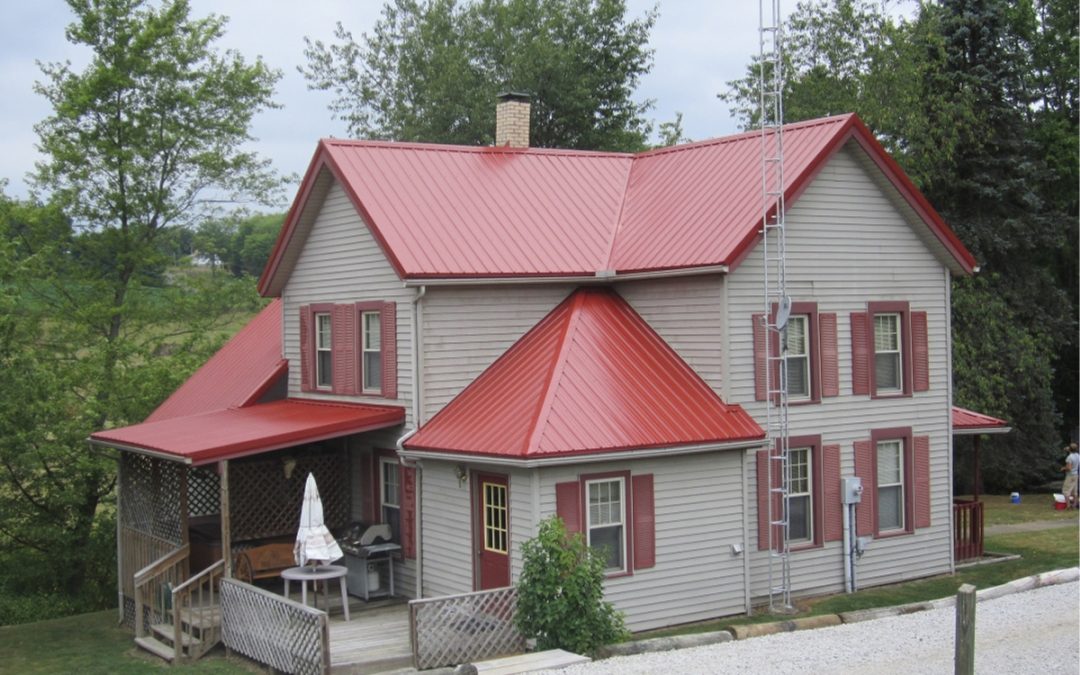
If you’re planning to replace an existing roof or install a new one, it helps understanding building codes that apply to your project. While online forums and quick searches can offer opinions, the most reliable information comes from two sources: experienced roofing professionals and the building codes adopted by your state and local community.
To clarify what matters most, we reviewed roofing-related codes in Ohio, Pennsylvania, and West Virginia. We also spoke with professionals at Yoder Family Roofing to better understand how these requirements are applied in real-world projects.
This article is divided into four sections. The first covers key questions every homeowner should check at the local level before starting a roofing project. The next section compares building code requirements across the three states, highlighting important differences so you can speak confidently with your roofing contractor.
Roofing Details Every Homeowner Should Check
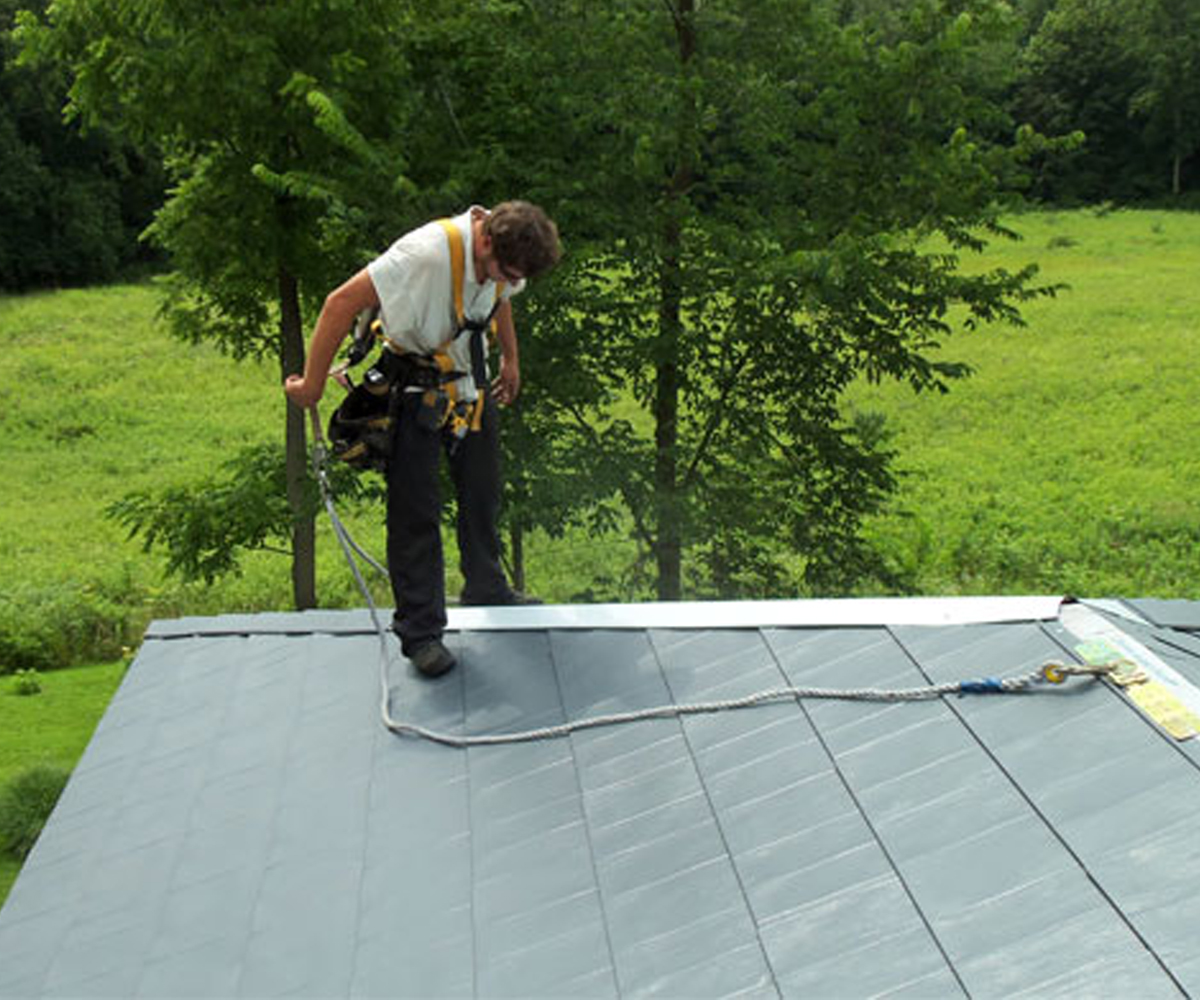
To understand more of the specific legalities of installing a new roof, here are seven questions to research or ask your roofer.
- Does my area enforce the state code, or does it have additional requirements?
- Does the intended roofing material meet requirements in fire classification, wind uplift rating, underlayment, flashing, deck sheathing, and slope?
- Is this considered a repair/reroof (this might have different requirements) or is it new roof construction?
- Is an ice-barrier required in my area? This is dependent on climate, eave condition, and more.
- Does the local permit office require additional documentation specific to roofs? For instance, do they require load calculations, wind uplift ratings, or special materials?
- Is my roof deck “solidly sheathed” or does it have spaced boards, common in old homes? Spaced boards no longer meet code.
- Does the roofing contractor need to be licensed/registered locally? For instance, Pennsylvania does not have a statewide roofing-contractor license requirement, but many municipalities require registration or licensing locally.
Understanding Building Codes for Ohio Residents

If you live in Ohio, it’s important to know that the state has a Building Code that applies to most buildings.[1] Ohio also has a Residential Code that specifically applies to one- and two-family homes.[2] n some locations, local rules may differ, but in many areas the requirements are the same. For instance, the state does not require roofing contractors to have a state license, but some townships or cities do require one. In still other instances, a township will not require the state license, but a county will.
Perhaps because of this system, Ohio requires the contractor to be the one to pull the permit and know what documents are required. This means your local roofing contractor will be the expert, taking responsibility.
- Permit requirements:
- The Ohio Building Code generally requires a permit for construction or repair work. Small, minor fixes—like replacing a few shingles—usually do not need a permit, but many larger or more involved roof repairs do.[3]
- Under the Ohio Residential Code, most roof replacements on single-family homes do not require a permit. However, local rules can differ, so homeowners should always check with their city or township before starting work. Any changes to the roof’s structure, such as replacing roof decking, do require a permit. [4]
- Concerning underlayment and slope for asphalt shingles:
- Asphalt shingles must be installed on a solidly sheathed deck.[5] [6]
- Asphalt shingles can only be used on roofs with enough slope to let water run off properly. If the roof is fairly shallow, extra waterproof underlayment must be installed underneath the shingles to reduce the risk of leaks.[7] [8]
- Ice-barrier requirements: In regions where ice commonly builds up along roof edges, building codes require an extra waterproof layer under certain types of roofing materials to help prevent ice-related leaks.[9] [10]
- Flashing & roof/wall intersections: Under the building code, flashing must be installed anywhere a roof meets a wall or where the roof’s slope or direction changes, to help keep water from leaking into the building.[11] For homes, flashing must be installed the way the manufacturer specifies to ensure it works correctly and keeps water out.[12]
- Fire classification of roofing materials: Roofing materials must meet certain fire-resistance ratings, which depend on factors like how close the building is to neighboring properties or lot lines.[13] [14]
Understanding Building Codes for Pennsylvania Residents
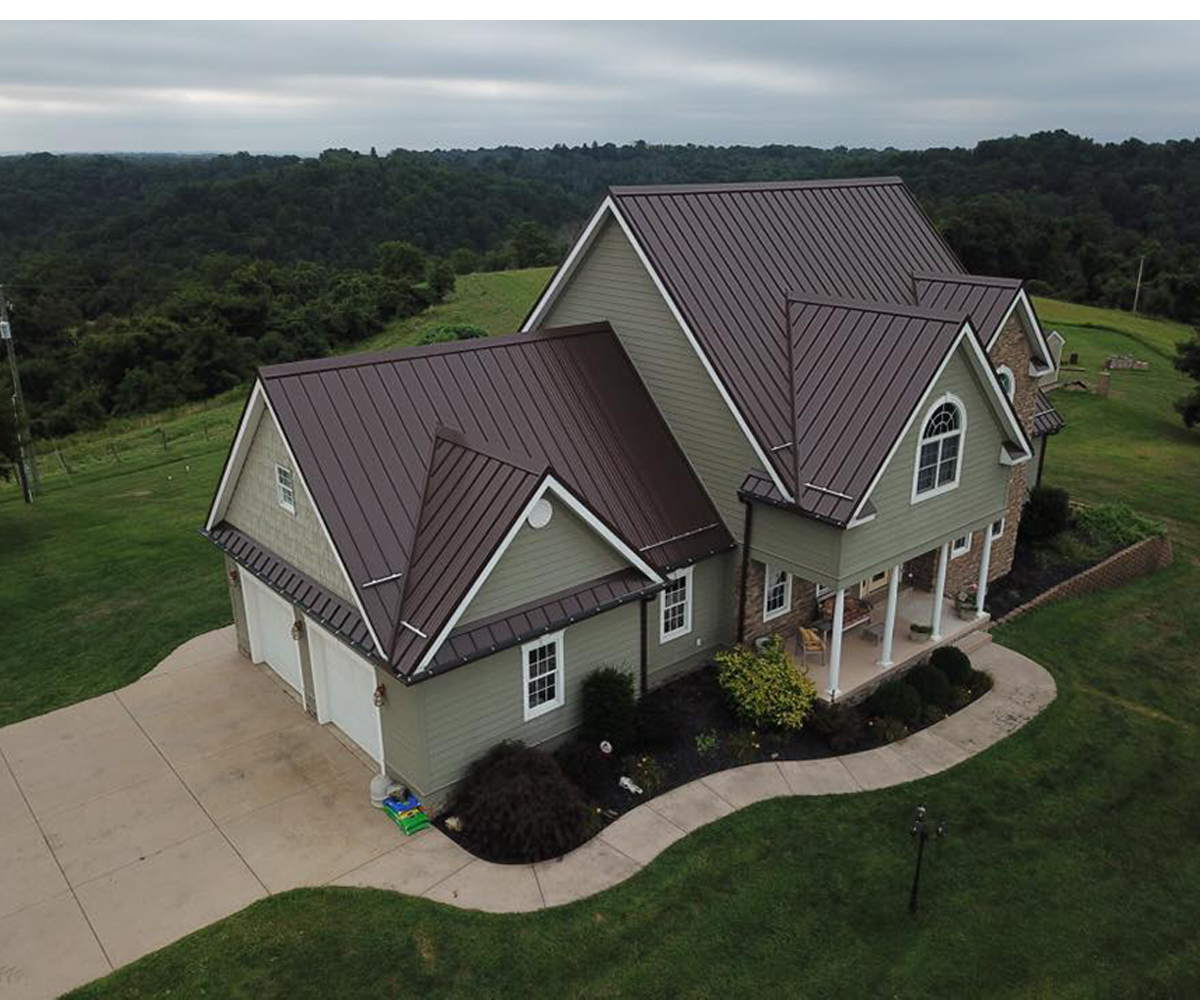
If you’re planning on working on your roofs in Pennsylvania, here are some things to pay attention to. Similar to Ohio, they have a building code for commercial buildings (UCC) and another for residential houses (IRC).
- Ice-barrier and ice-and-water shield: In colder areas where ice tends to build up along roof edges, building codes require an extra waterproof layer under certain roofing materials, like asphalt shingles. This layer starts at the edge of the roof and extends upward to help prevent water from backing up under the shingles and causing leaks. [15] [16]
- Roof drainage and sound condition: In some areas, such as Philadelphia, local rules require roofs and flashing to be in good condition, properly sealed, and free of defects that allow water to get inside. Roofs must also drain well enough to prevent water damage over time.
- Worker safety and scaffolds when reroofing: Pennsylvania safety rules require extra fall-protection measures when a roof is steep. If the roof rises more than 6 inches for every 12 inches of horizontal distance and there is no protective wall along the edge, workers must use safety equipment such as secured anchors, lifelines, brackets, or platforms to help prevent falls.[17]
- Energy and insulation requirements for commercial roofs: For mostly flat commercial roofs, building energy codes require a minimum level of insulation when the insulation is installed on top of the roof structure. This helps improve energy efficiency and reduce heating and cooling costs.
Understanding Building Codes for West Virginia Residents
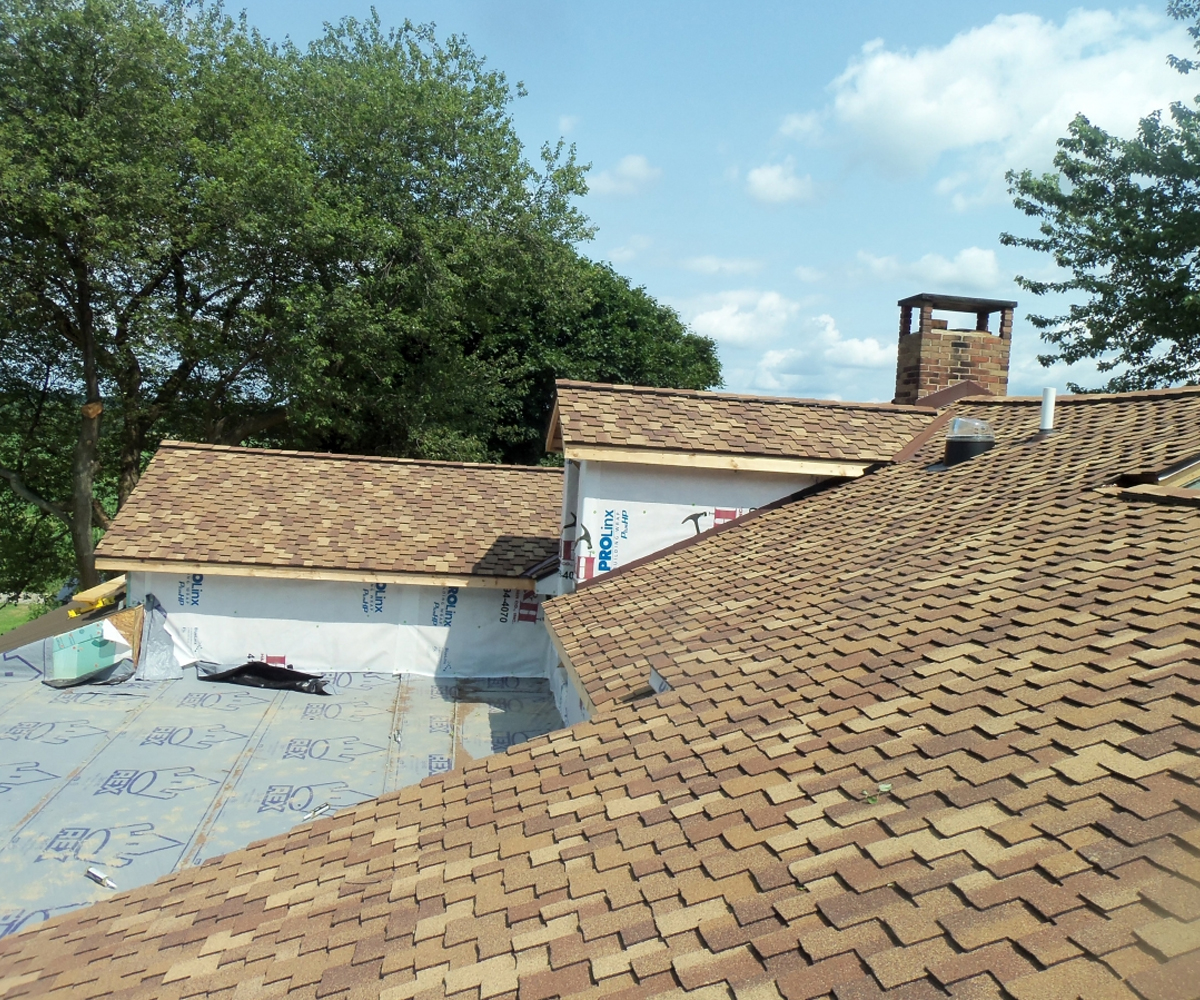
In West Virginia, you’ll want to verify several things before roofing or re-roofing your home. Some local jurisdictions have adopted specific editions of the International Building or Residential code, with local amendments.
This state requires roofing contracts to have a state license, which can take months to complete. The state test is comprehensive. Failure to list a state license on an estimate or invoice can result in fines. This requires your building contractor to be a professional.
- Permit requirements: In many parts of West Virginia, you need a permit before installing a new roof or replacing an existing one. For example, the City of Elkins requires homeowners or contractors to obtain a building or zoning permit before starting a roofing project.[18]
- Slope and drainage requirements: Publicly funded buildings built after June 1, 1999, must have roofs designed so rainwater can drain properly and does not collect or sit on the roof surface.[19]
- Material compliance and structural loads: In some areas, local building codes set minimum strength requirements for roofs so they can safely support temporary forces like snow or strong winds. These requirements affect how the roof is secured to the building.
- Roofing material and covering compliance: In most areas, roofing materials must meet local or state building code standards to ensure they are safe, durable, and appropriate for the building.
In West Virginia, counties and cities must choose to adopt the state building code. Because of this, roofing rules can vary by location, and some properties may be subject to fewer requirements depending on where the work is done.
[1] https://up.codes/viewer/ohio/ibc-2021
[2] https://up.codes/viewer/ohio/irc-2018
[3] https://www.unioncountyohio.gov/media/Officials/Engineer/building-regulation/ChecklistsCodeInfoSampleDrawings/Does%20my%20commercial%20roof%20require%20a%20permit.pdf?utm_source=chatgpt.com
[4] https://www.daytonohio.gov/Faq.aspx?QID=93
[5] https://up.codes/viewer/ohio/irc-2018/chapter/9/roof-assemblies#R905.2.1
[6] https://up.codes/viewer/ohio/ibc-2021/chapter/15/roof-assemblies-and-rooftop-structures#1507.2.1
[7] https://up.codes/viewer/ohio/irc-2018/chapter/9/roof-assemblies#R905.2.2
[8] https://up.codes/viewer/ohio/ibc-2021/chapter/15/roof-assemblies-and-rooftop-structures#1507.2.2
[9] https://up.codes/viewer/ohio/irc-2018/chapter/9/roof-assemblies#R905.1.2
[10] https://up.codes/viewer/ohio/ibc-2021/chapter/15/roof-assemblies-and-rooftop-structures#1507.2.7
[11] https://up.codes/viewer/ohio/ibc-2021/chapter/15/roof-assemblies-and-rooftop-structures#1503.2.1
[12] https://up.codes/viewer/ohio/irc-2018/chapter/9/roof-assemblies#R905.2.8
[13] https://up.codes/viewer/ohio/irc-2018/chapter/9/roof-assemblies#R902.1
[14] https://up.codes/viewer/ohio/ibc-2021/chapter/15/roof-assemblies-and-rooftop-structures#1505.1
[15] https://up.codes/viewer/pennsylvania/irc-2018/chapter/9/roof-assemblies#R905.1.2
[16] https://up.codes/viewer/pennsylvania/ibc-2021/chapter/15/roof-assemblies-and-rooftop-structures#1507.1.2
[17] https://www.pacodeandbulletin.gov/Display/pacode?file=/secure/pacode/data/034/chapter6/s6.20.html&d=reduce
[18] https://cityofelkinswv.gov/departments/building-code-enforcement-zoning/building-inspector/?utm_source=chatgpt.com
[19] https://law.justia.com/codes/west-virginia/2023/chapter-5/article-6/section-5-6-16/?utm_source=chatgpt.com

Recent Comments